
Guide
The Wedding Seating Plan Nightmare: How to Seat Everyone Without Losing Your Mind
Creating a wedding seating plan can become one of the most stressful parts of planning. Here’s how to handle family politics, friendship groups, dietary needs and last-minute changes without endless spreadsheets.
It sounds simple — until it isn’t
At first, creating a wedding seating plan sounds simple.
You have a guest list, a set of tables and a room. You simply place everyone somewhere.
Then the questions begin.
Can divorced parents sit near each other? Should colleagues share a table with friends? Where do you place the guest who only knows the couple? What happens when somebody cancels three days before the wedding?
Before long, the seating plan becomes a collection of spreadsheets, handwritten notes, WhatsApp conversations and increasingly complicated compromises.
For many couples, it becomes one of the most stressful parts of organising the wedding.
Why seating plans become so difficult
The challenge is not simply fitting guests into available seats. Every guest comes with relationships, preferences and constraints.
You may need to consider:
Common seating constraints
- Couples who must sit together
- Divorced or separated relatives
- Guests who should not share a table
- Elderly guests who need easy access
- Children and parents
- Different languages
- Friendship groups
- Work colleagues
- Dietary requirements
- Guests who know almost nobody
- Important family members who expect to sit near the couple
Changing the position of one person can affect several tables at once.
The spreadsheet problem
Most couples begin with a spreadsheet.
It works well for storing names, RSVP status and meal choices. It becomes much less useful when you need to understand relationships between guests.
A spreadsheet cannot easily show:
What spreadsheets struggle to show
- Who knows whom
- Which guests should sit together
- Which combinations may cause tension
- Whether one table contains too many unrelated groups
- What happens when a guest is moved
- Whether you have forgotten an important constraint
This often leads to several versions of the same document and uncertainty about which one is current.
The most common seating-plan mistakes
Starting before RSVPs are confirmed
Building the final arrangement too early creates unnecessary work. Use early drafts to understand table requirements, but wait until most responses are confirmed before finalising seats.
Trying to make every table perfect
Not every guest needs to sit with all their favourite people. The aim is to create balanced tables where everyone feels comfortable and has somebody to talk to.
Ignoring guests who know nobody
Guests attending alone are often the hardest to place. Seat them with welcoming people who share similar interests, ages or languages.
Separating established couples
Unless there is a clear reason, couples usually expect to sit together. Separating them can make both guests feel uncomfortable.
Forgetting practical requirements
Older guests, pregnant guests and people with reduced mobility may need to sit close to exits, bathrooms or accessible routes.
Making changes without checking the entire plan
Moving one guest may separate a couple, exceed a table’s capacity or leave another guest isolated. Every change should be reviewed in context.
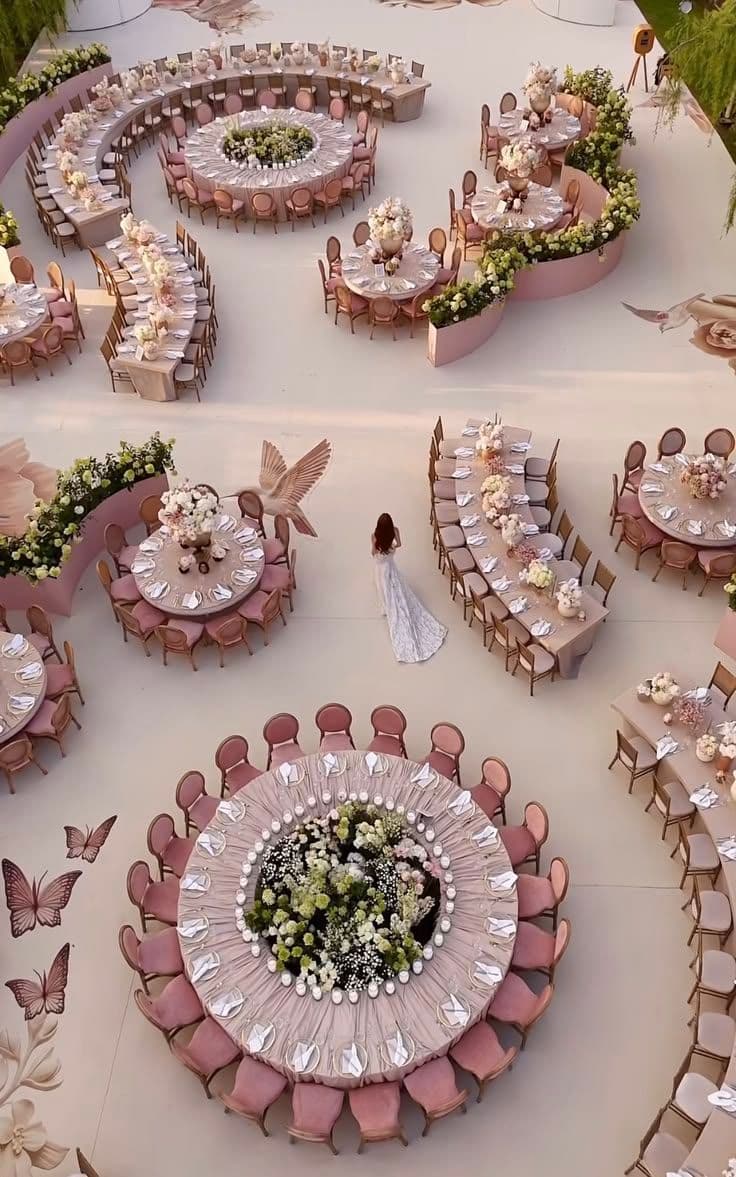
A better process
A clearer seating-plan process
- 01
Confirm your tables
Record each table’s shape, capacity and location before assigning guests.
- 02
Group obvious relationships
Start with couples, immediate families and clearly established friendship groups.
- 03
Record constraints
Write down who must sit together, who should preferably sit together and who should not share a table.
- 04
Place the most difficult guests first
Guests with accessibility needs, family conflicts or very limited connections should be placed before the easier groups.
- 05
Balance each table
Avoid creating one table filled with close friends and another containing only guests who barely know one another.
- 06
Test changes before finalising
When moving someone, check the effect on their partner, group and both affected tables.
What happens when someone cancels?
Last-minute cancellations are normal.
The problem is that removing one guest may create an empty seat, separate a couple or leave a table noticeably smaller than the others.
Instead of rebuilding the entire arrangement, first consider:
Options after a cancellation
- 01
Leave the seat empty
Sometimes the simplest option is still the best.
- 02
Move one compatible guest
Fill the gap with someone who fits the remaining table well.
- 03
Combine two smaller tables
Useful when several cancellations leave tables feeling sparse.
- 04
Adjust the physical table layout
A venue layout change can solve capacity issues without major seating drama.
- 05
Reassign only the affected group
The right choice depends on how close the wedding is and whether place cards or catering numbers have already been confirmed.
Stop managing your seating plan manually
The Wedy helps you organise guests visually instead of moving names between spreadsheets.
You can:
What you can do in The Wedy
- Drag and drop guests between tables
- Record relationships between guests
- Add must-sit and avoid-sitting rules
- Keep couples and groups together
- Track accessibility and language needs
- Lock confirmed seats
- Generate a seating arrangement with AI
- Update the plan when guests cancel
- Connect tables to your venue floor plan
- Share a table lookup with guests
Instead of rebuilding the plan every time something changes, you can see how each decision affects the full room.
Frequently asked questions
When should we start the wedding seating plan?
You can begin grouping guests before the RSVP deadline, but the final seating arrangement should normally be completed after most guests have confirmed.
Should couples always sit together?
In most cases, yes. Separating couples without a practical reason can make guests uncomfortable.
What do we do with guests who know nobody?
Seat them with friendly guests who share similar interests, languages or backgrounds. Avoid creating an entire table of people who know nobody.
How many people should sit at each wedding table?
It depends on the table’s shape and dimensions. Confirm the venue’s recommended capacity rather than relying only on a generic number.
Can AI create a wedding seating plan?
AI can suggest an initial arrangement using guest groups, relationships and constraints. The couple or planner should still review the result before confirming it.